

EPDM vs Felt Roofing: Which Is Better for Flat Roofs?
With more than 25 years of supplying roofing materials to trade professionals and homeowners, we’ve helped customers choose the right flat roofing system for projects of every size
If you’re replacing a flat roof, one of the first questions you’ll face is whether to choose EPDM rubber roofing or traditional felt roofing. Both systems are widely used throughout the UK, but they differ significantly in lifespan, maintenance requirements, installation methods and long-term value. In this guide, we’ll compare both options to help you choose the right roofing solution for your project.
Both have their advantages, but the best choice depends on your budget, the lifespan you expect, and the type of project you’re undertaking.
In this guide, we’ll compare EPDM and felt roofing across the key areas that matter most, helping you decide which solution is right for your property.
The table below provides a quick comparison of EPDM and felt roofing across the factors homeowners and roofers consider most when choosing a flat roof system.
EPDM vs Felt Roofing at a Glance
If you’re short on time, the table below summarises the main differences between EPDM and felt roofing.
| Feature | EPDM Roofing | Felt Roofing |
|---|---|---|
| Expected Lifespan | 40–50 years | 15–25 years |
| Initial Cost | Higher upfront investment | Lower upfront cost |
| Long-Term Value | Excellent due to longevity and low maintenance | Good, but may require earlier replacement |
| Maintenance | Very low | Moderate, with regular inspections recommended |
| Weather Resistance | Excellent resistance to rain, UV, frost and temperature changes | Good weather protection, but can deteriorate faster over time |
| Installation Method | Cold-applied using specialist adhesives | Torch-on or cold-applied systems |
| Number of Seams | Fewer seams due to large sheet sizes | More seams due to layered installation |
| Repairability | Easy to patch and repair if damaged | Repairs are possible but may be more involved |
| Best Suited For | Homes, garages, extensions, garden rooms and commercial flat roofs | Garages, sheds, extensions and refurbishment projects |
| Overall Recommendation | Best for long-term performance and durability | Best for lower upfront budgets and traditional flat roof systems |
Let’s take a closer look at each of these factors in more detail.
What is EPDM Roofing?
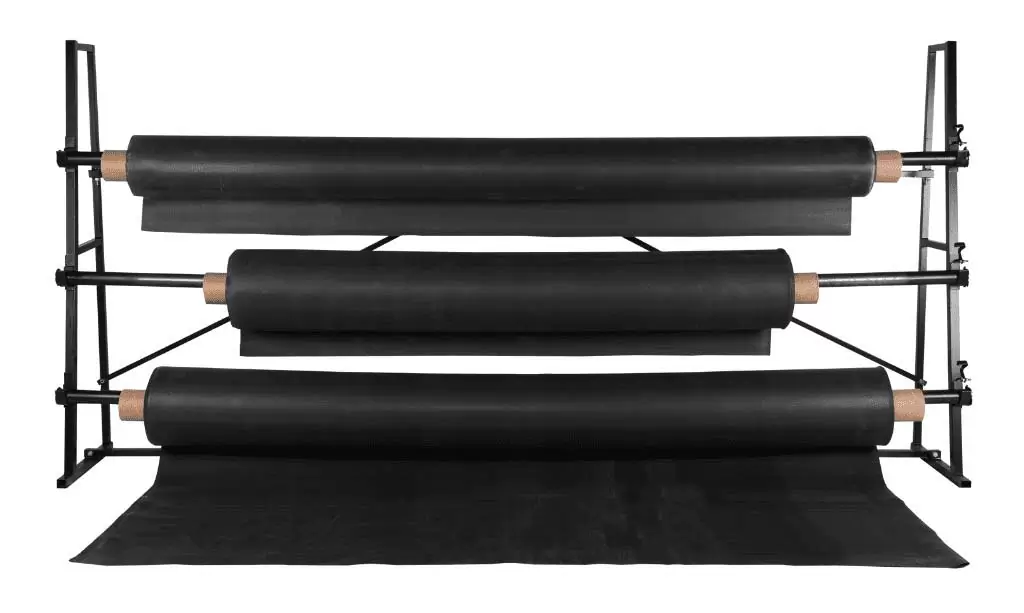
EPDM (Ethylene Propylene Diene Monomer) is a synthetic rubber membrane designed specifically for flat and low-pitched roofs. It has become one of the UK’s most popular roofing materials thanks to its exceptional durability, weather resistance and long service life.
Available in large sheets, EPDM creates a seamless or near-seamless waterproof barrier, reducing the number of joints where leaks can occur. It is suitable for garages, extensions, garden rooms, commercial buildings and many other flat roof applications.

EPDM rubber membrane installed on a flat roof
What is Felt Roofing?
Felt roofing has been used on flat roofs for decades. Modern roofing felt is a significant improvement on older products and typically consists of multiple layers of bitumen reinforced with polyester or fibreglass.
High-performance torch-on felt systems provide a durable waterproof finish and remain a popular choice for domestic and commercial roofing projects.

Torch-on felt roofing system on a garage roof
Comparing EPDM and Felt Roofing
Lifespan
One of the biggest differences between the two systems is longevity.
A professionally installed EPDM roof can last 40 to 50 years, with many systems continuing to perform well beyond this with routine maintenance.
Modern felt roofing generally offers a lifespan of 15 to 25 years, depending on the quality of materials used, installation standards and ongoing maintenance.
If you’re looking for a long-term investment with minimal replacement costs, EPDM has the clear advantage.
Our EPDM comes with a 20 year warrantee.
Installation
Both materials require correct installation to achieve the best results.
EPDM membranes are typically supplied in large sheets, allowing many smaller roofs to be covered with very few joins. The membrane is bonded using specialist adhesives and finished with compatible trims and flashing systems.
Felt roofing is usually installed in multiple layers using heat-applied torch-on systems or cold adhesive products. While this method creates a durable waterproof surface, it generally involves more joins than an EPDM installation.
For many flat roof extensions and garages, EPDM’s larger sheet sizes can simplify the installation process.
Weather Resistance
The British weather can be unpredictable, making weather resistance a key consideration.
EPDM performs exceptionally well in:
- Heavy rainfall
- Frost
- Snow
- UV exposure
- High summer temperatures
- Temperature fluctuations
Because EPDM remains flexible throughout its life, it is less likely to crack as temperatures change.
Modern felt systems also provide excellent weather protection but may become more susceptible to ageing and surface deterioration over time, particularly after prolonged exposure to sunlight.
Maintenance
Every roof benefits from periodic inspections, but EPDM generally requires very little maintenance.
Routine maintenance usually consists of:
- Removing leaves and debris
- Clearing drainage outlets
- Inspecting edge trims
- Checking flashings
Felt roofs should also be inspected regularly for signs of blistering, lifting edges or damaged joints, particularly after severe weather.
Repairs
Damage can occur to any roofing system.
Minor EPDM damage can often be repaired using compatible repair patches and adhesives without replacing large sections of the roof.
Felt roofs can also be repaired successfully, although matching existing materials and maintaining a watertight finish may require more extensive work depending on the age of the roof.
Cost
For many homeowners, budget plays an important role.
Traditional felt roofing generally has a lower initial installation cost, making it an attractive option for smaller projects or where upfront expenditure is the primary concern.
EPDM may cost slightly more initially, but its significantly longer lifespan and lower maintenance requirements often make it the more economical choice over the life of the roof.
When comparing costs, it’s worth considering not only the installation price but also future repair and replacement expenses.
Environmental Impact
Sustainability is becoming increasingly important within the construction industry.
EPDM offers several environmental benefits:
- Long service life
- Minimal maintenance
- Low waste due to large sheet sizes
- Recyclable in many applications
Because felt roofs may require replacement sooner, they can generate more waste over the lifetime of a building.
Which Roof is Best for Your Project?
Both materials have their place.
EPDM is an excellent choice if you want:
- A roof with a lifespan of up to 50 years
- Outstanding weather resistance
- Minimal maintenance
- Excellent value over the long term
- A clean, modern finish
Felt roofing may be the better option if you:
- Have a tighter initial budget
- Are replacing an existing felt roof
- Prefer a traditional roofing system
- Need a proven solution for certain refurbishment projects
Ultimately, the right choice depends on your individual requirements, budget and the intended use of the building.
Our Recommendation
While EPDM is often the best long-term choice for many flat roof projects because of its durability and lifespan, modern felt roofing remains an excellent solution where budget is a key consideration or when matching an existing roofing system.
However, modern felt roofing remains a reliable and cost-effective option when installed correctly using quality materials.
Whichever system you choose, investing in high-quality roofing products and correct installation will help maximise the life of your roof and reduce future maintenance costs.
Frequently Asked Questions
- Is EPDM better than felt?
- For most modern flat roofs, EPDM offers a longer lifespan, fewer seams and lower maintenance, making it the preferred option for many projects.
- Can EPDM be installed over felt?
- In some situations it can, depending on the condition of the existing roof deck. A professional inspection is always recommended before installation.
- Which roof lasts longer?
- EPDM typically lasts between 40–50 years, while modern felt roofs generally last 15–25 years when installed correctly.
Our Verdict
| If you want… | Choose… |
|---|---|
| The longest-lasting flat roof | ✅ EPDM Roofing |
| The lowest maintenance option | ✅ EPDM Roofing |
| Better UV and weather resistance | ✅ EPDM Roofing |
| The lowest initial installation cost | ✅ Felt Roofing |
| A long-term investment | ✅ EPDM Roofing |
| A cost-effective solution for smaller budgets | ✅ Felt Roofing |
Why Buy Your EPDM Roofing from Stormspell Limited?
Then include a few bullet points:
- Quality roofing products from trusted manufacturers
- Expert advice from an experienced roofing supplier
- Products for trade professionals and DIY customers
- Competitive pricing
- Nationwide delivery (if applicable)
- Everything you need for a complete flat roofing project

Speak to the Team at Stormspell Limited
If you’re still deciding between EPDM and felt roofing, the experienced team at Stormspell Limited is here to help.
We supply a comprehensive range of EPDM roofing systems, roofing felt, adhesives, trims, fixings and flat roof accessories for both trade professionals and DIY customers. Whether you’re roofing a garage, extension, garden room or commercial property, we can help you choose the right materials for your project and answer any questions you may have.
Visit Stormspell Limited to explore our full range of flat roofing products or speak to one of our knowledgeable team members. We’ll help you compare your options, recommend the most suitable products and ensure you have everything you need to complete your flat roof project with confidence.


