

Reducing material waste is easy to dismiss as an unavoidable part of roofing. A few broken tiles here, an extra roll of membrane there and a stack of unused flashings at the end of the job may not look serious in isolation. Across a year of projects, however, those losses can remove a significant amount from the bottom line.
Reducing waste is not about ordering too little or leaving a site short of essential materials. It is about measuring accurately, applying sensible allowances, ordering at the right time, protecting what arrives and making deliberate use of suitable offcuts and surplus stock.
Here are practical ways roofing contractors can control material costs without compromising quality or programme.
Treat waste as a margin issue
The true cost of wasted material is higher than its purchase price. It can also include:
- delivery and handling charges;
- labour spent moving, sorting or cutting it;
- skip hire and disposal fees;
- delays caused by replacing damaged stock;
- return charges or supplier restocking fees; and
- cash tied up in surplus materials.
Waste should therefore be measured as part of job performance, not treated as a miscellaneous site expense. A simple comparison of estimated quantity, ordered quantity, installed quantity and surplus can reveal where margin is being lost.
Start with an accurate roof take-off
Reliable ordering begins with a reliable survey. Measurements taken from drawings alone may miss changes made on site, while a quick ground-level estimate can overlook the material required at hips, valleys, verges, abutments and penetrations.
Record the dimensions of every roof plane and identify details that affect quantities or cutting:
- roof pitch and slope length;
- hips, ridges, valleys and verges;
- dormers, rooflights and chimneys;
- abutments and changes in pitch;
- eaves and perimeter details;
- areas requiring different coverings or specifications; and
- access constraints that may affect delivery or handling.
Use the correct coverage data for the specified product rather than relying on a generic tiles-per-square-metre figure. Tile and slate coverage changes with gauge, headlap, side lap, roof pitch and exposure. For sheets, membranes, insulation and battens, include the laps, cuts and usable product dimensions—not just the gross roof area.
Digital take-off tools, aerial measurement and estimating software can speed up the process, but the output still needs checking against the specification and actual site conditions. Technology makes a good estimator faster; it does not remove the need for roofing knowledge.
Break the estimate into components
A single percentage added to the entire material list can hide mistakes. Build the estimate by component instead:
- field tiles or slates;
- ridge and hip units;
- verge components;
- valley materials;
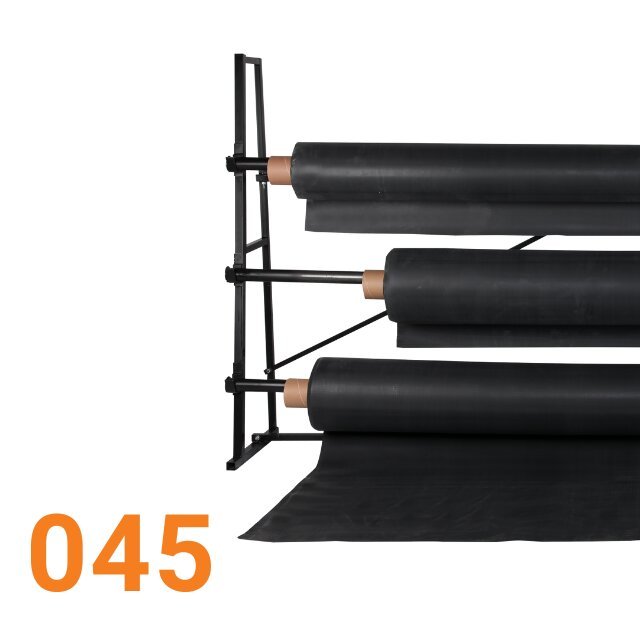
- underlay or membrane;
- battens and counter-battens;
- insulation;
- fixings, clips and accessories;
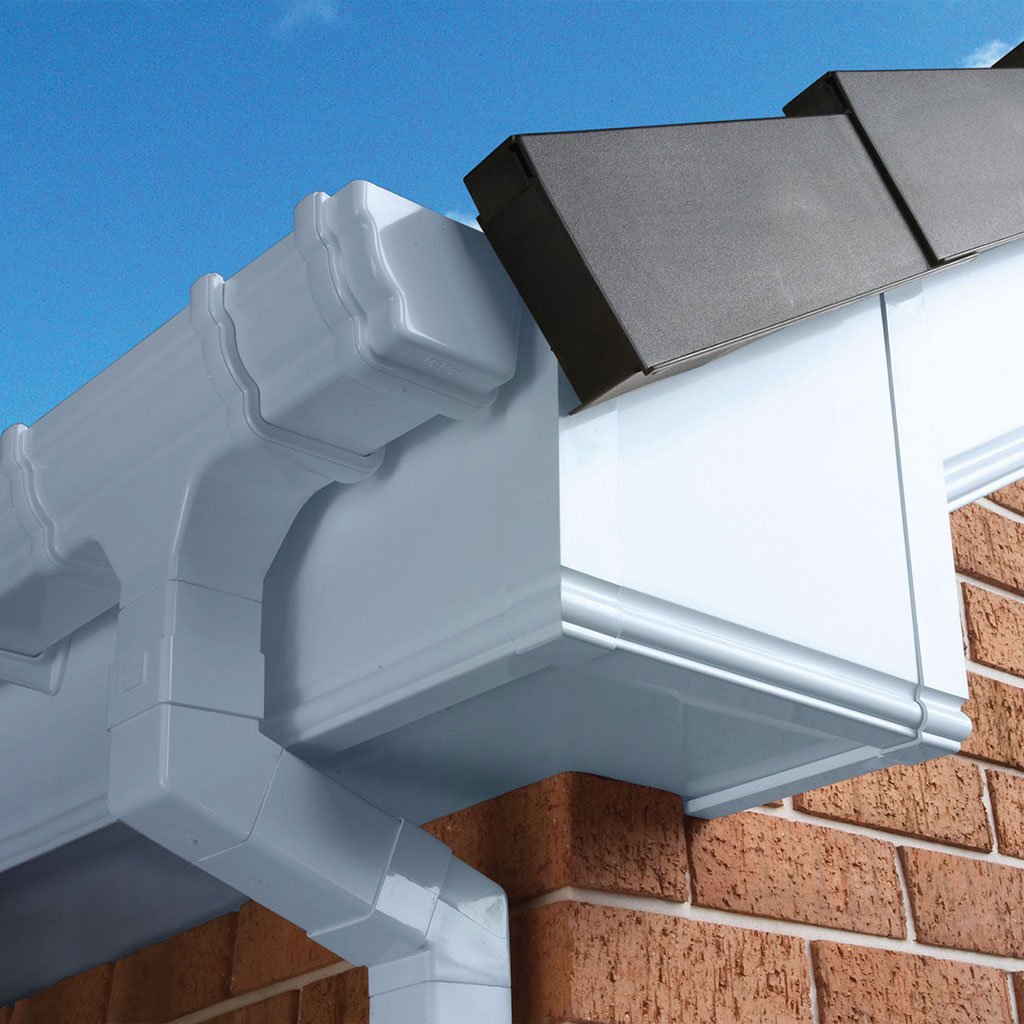
- flashings and outlets; and
- sealants, tapes and consumables.
Each category has a different waste profile. A simple rectangular roof may need little cutting allowance for field tiles, while a roof with several hips, valleys and dormers will naturally produce more offcuts. Purpose-made accessories may require a count rather than an area-based allowance.
Breaking the estimate down also makes it easier to spot an implausible quantity before the order is placed.
Use job-specific ordering allowances
An allowance should cover predictable cuts, breakage and installation loss. It should not compensate for uncertain measurements.
Set allowances according to factors such as:
- the complexity and shape of the roof;
- the covering type and its fragility;
- the number of cuts at hips, valleys and penetrations;
- packaging quantities and minimum order sizes;
- the availability of matching replacement stock;
- the experience of the installation team; and
- the amount of safe handling required on site.
Historic job data is the most useful guide. If similar plain-tile roofs consistently use a particular percentage above net coverage, record it and refine the figure over time. Separate expected cutting waste from avoidable damage so poor handling does not become built into every future quote.
For expensive, uncommon or made-to-order products, confirm the return policy and lead time before deciding whether a larger contingency is justified. Holding one spare item may be sensible; buying a full extra pack that cannot be returned may not be.
Check the order before it is released
A short pre-order review can prevent a costly surplus. Ideally, a second person should check:
- the measured roof areas and lengths;
- the product coverage and lap assumptions;
- the fixing specification;
- the quantities of fittings and accessories;
- the applied waste allowances;
- pack sizes and rounding; and
- whether any stock is already available.
Also confirm that the product references, colour, profile and finish are correct. The wrong product is waste even if the quantity is perfect.
Keep a clear record of estimate revisions. When drawings or specifications change, update the take-off rather than simply adding materials to the previous order.
Stage orders around the programme
Ordering everything at once may secure availability, but it can also leave fragile or weather-sensitive products exposed for longer. Where programme and supplier lead times allow, use phased or call-off deliveries.
Staged ordering can:
- reduce congestion and repeated handling;
- lower the risk of theft, weather damage and accidental breakage;
- allow later quantities to be adjusted using actual site consumption; and
- prevent materials for a delayed roof area from sitting unused.
This approach requires planning. Agree delivery dates, lead times, minimum call-off quantities and potential price changes with the supplier before work begins. Do not create a programme risk merely to reduce site stock.
Inspect and record every delivery
Check materials as they arrive, before signing the delivery note where possible. Verify:
- product codes and descriptions;
- quantities and pack counts;
- colour and batch details where relevant;
- cracked tiles, bent flashings or damaged packaging; and
- wet or compromised insulation and membranes.
Photograph damage and report discrepancies promptly in line with the supplier’s procedure. If a defective delivery is accepted without a record, the contractor may end up carrying the cost.
Assign a delivery area and nominate someone to receive materials. Unplanned unloading often leads to stock being placed where it must later be moved, increasing labour and breakage.
Store roofing materials correctly
Good storage protects both materials and productivity. Follow the manufacturer’s handling and storage instructions for every product.
As a general approach:
- store tiles and slates on stable, level ground and keep packs secured;
- protect rolls, insulation, timber and bagged products from rain and standing water;
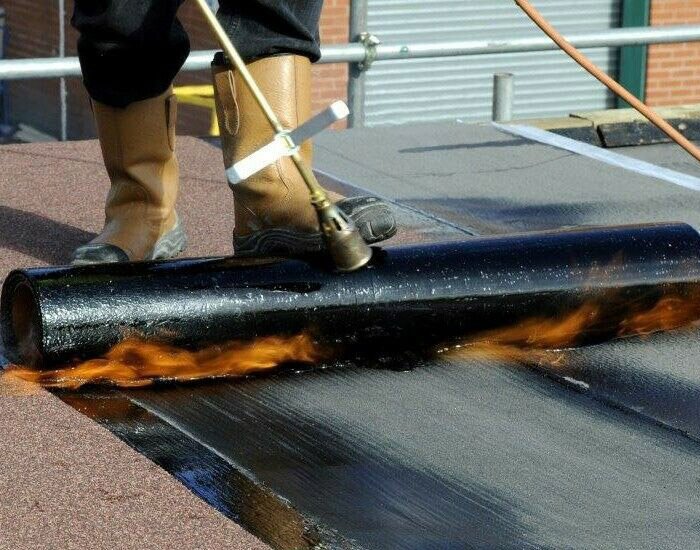
- keep membranes and sealants away from damaging heat or prolonged sunlight where specified;
- support long flashings and trims to prevent kinks or distortion;
- separate products by roof area or installation sequence;
- retain labels until the material has been checked and installed; and
- restrict vehicle and plant movement near the storage zone.
Do not stack materials on scaffolds or roofs unless the temporary works design and loading limits specifically allow it. Besides the safety risk, overloading can damage materials and the structure supporting them.
Reduce handling and breakage
Every additional movement creates another opportunity for damage. Plan a route from delivery point to workface and use suitable lifting equipment where required. Avoid dropping packs, overfilling tubs or carrying more units than can be handled safely.
Brief the team on product-specific handling at the start of the job. This is particularly important when installers are using an unfamiliar tile, slate, sheet or pre-finished metal system.
Set aside a clearly marked area for usable surplus and another for damaged or non-conforming material. Without separation, good stock often ends up in the skip.
Plan cuts before making them
Cutting waste can often be reduced by working systematically:
- set out the roof correctly before installation begins;
- check gauges and coursing against the actual roof dimensions;
- plan symmetrical cuts where appropriate;
- measure repeated details once and use an accurate template;
- cut in a designated area with the correct tools; and
- review whether the remainder from one cut can be used at another detail.
A rushed first cut can create a chain of unusable pieces. Dry-check complex details before committing expensive components, and make sure drawings and measurements refer to the same datum.
Never reuse an offcut simply to avoid waste. It must meet the minimum dimensions, lap, fixing and performance requirements of the roofing system.
Create a controlled offcut-reuse system
Offcuts can be useful when they are sound, correctly identified and suitable for the detail. A simple system makes reuse more likely:
- define the minimum useful size for common materials;
- mark offcuts with their product type, colour or batch where necessary;
- store them safely near the cutting area;
- review the offcut rack before opening a new unit; and
- clear pieces that have no realistic use so they do not obstruct the site.
Possible uses include appropriately sized membrane pieces for compatible detailing, shorter battens between specified supports, or tile and metal offcuts at planned cuts—only where the manufacturer’s requirements and the roofing specification permit them.
Do not use damaged, contaminated, badly weathered or untraceable material. Fire, thermal, waterproofing and warranty performance must always take priority over reducing waste.
Control consumables as carefully as visible materials
Fixings, sealants, tapes, gas and cutting discs are easily overlooked because each item is relatively inexpensive. Collectively, uncontrolled consumption can be substantial.
Issue consumables in sensible quantities, store them securely and track high-use items. Check shelf lives and rotate stock so older products are used first where still compliant. Reseal partial packs correctly and return them to dry storage at the end of the shift.
Standardising compatible products across projects can make surplus easier to reuse, but substitutions must remain within the specification, certification and manufacturer’s system requirements.
Manage changes before ordering more
Variations are a common source of duplicate orders. Before purchasing additional material, confirm:
- what has changed;
- which previously ordered items can still be used;
- what can be returned or transferred;
- whether the change affects accessories and fixings as well as the main covering; and
- who has authorised the cost.
Link each extra order to a variation, damage report or measured shortfall. This creates a clear commercial record and helps distinguish client changes from estimating errors or site waste.
Avoid the false economy of under-ordering
Waste reduction does not mean removing every contingency. A site that repeatedly stops for small top-up orders may incur:
- extra delivery charges;
- lost labour and scaffold time;
- extended preliminaries;
- colour or batch mismatches;
- minimum-order surcharges; and
- disruption to other trades.
The goal is the lowest reliable total cost, not the smallest opening order. Use risk, lead time and historical consumption to find the right balance.
Deal with surplus before the job ends
Do not wait until the scaffold is coming down to decide what to do with leftover stock. During the final phase of the job:
- identify unopened packs that can be returned;
- check supplier deadlines and restocking conditions;
- transfer standard items to a known upcoming project;
- label retained spares for the client or maintenance team;
- return reusable stock to the yard with accurate identification; and
- separate recyclable materials according to the waste contractor’s requirements.
Record every transfer. Unlabelled materials left in a yard may technically remain stock, but in practice they often become waste because nobody can identify or confidently specify them.
Review actual use after every job
A brief close-out review turns one project’s experience into better future pricing. Compare:
| Measure | What it reveals |
|---|---|
| Estimated quantity | The original commercial assumption |
| Ordered quantity | Allowances, pack rounding and later additions |
| Installed quantity | The material genuinely required by the roof |
| Returned or transferred quantity | Recoverable surplus |
| Disposed quantity | Breakage, cutting loss and unusable material |
| Top-up orders | Underestimation, variations or poor control |
Add short reason codes such as estimating error, design change, delivery damage, site breakage, cutting waste or client spare. Patterns will emerge after only a handful of comparable jobs.
Useful indicators include material cost per square metre, waste percentage by product, top-up delivery cost and the value of returns recovered. Share the results with estimators, buyers and supervisors so lessons do not remain on one site.
A simple margin-protection checklist
Before work starts:
- complete and independently check the take-off;
- apply product- and job-specific allowances;
- check stock already held;
- confirm pack sizes, lead times and return terms; and
- plan deliveries, storage and lifting.
During the job:
- inspect and record deliveries;
- protect stock from weather and damage;
- monitor actual consumption against the estimate;
- separate and reuse suitable offcuts;
- authorise extra orders; and
- investigate abnormal breakage promptly.
At close-out:
- return, transfer or label surplus;
- record disposed quantities and reasons;
- reconcile estimated, ordered and installed amounts; and
- update estimating allowances using the results.
Protect the specification as well as the margin
Material efficiency should never come at the expense of safety, weatherproofing, durability or warranty compliance. The best waste strategy is not aggressive cost cutting; it is disciplined control.
Accurate estimating prevents unnecessary orders. Sensible allowances protect the programme. Good storage prevents avoidable damage. Planned cutting and controlled offcut reuse get more value from every unit. Finally, measuring the result makes the next quote more competitive and more profitable.
When those habits become part of the standard job process, less money ends up in the skip—and more of the quoted margin stays in the business.